


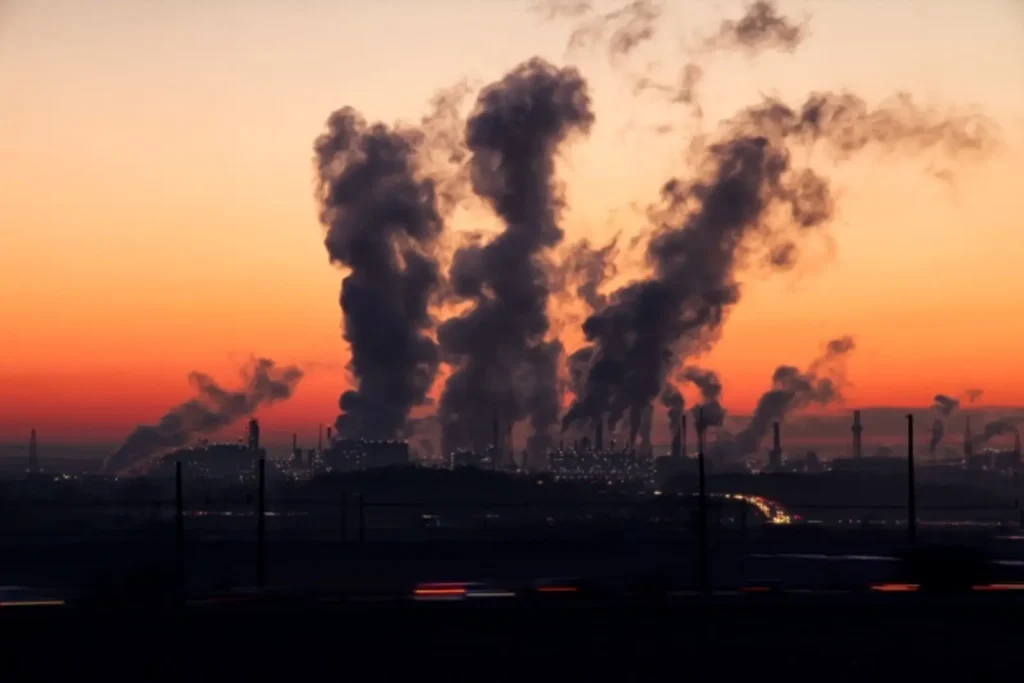
An environmental case is a lawsuit or legal proceeding involving acts that cause damage to natural resources, the environment, or public health. These acts include discharging wastewater into rivers, illegal dumping of hazardous waste, forest burning, emitting air pollution, or operating a business without complying with environmental measures.
Currently, environmental problems affect the general public on a wide scale. Consequently, several laws establish criminal, civil, and administrative liabilities to protect citizens’ rights and preserve the country’s natural resources.
Example of an Environmental Case
A factory illegally discharges untreated wastewater into a public canal, causing the water to rot, resulting in the death of aquatic animals, and preventing local residents from using the water for domestic consumption. Inspectors discover that the water quality exceeds legal standards and proceed to take legal action against the operator.
Legal Liability Offenders may be liable under several laws, such as:
- National Environmental Quality Promotion and Protection Act, B.E. 2535 (1992)
- Factory Act, B.E. 2535 (1992) and its amendments (in cases where a factory violates operational conditions)
- Criminal Code, if the action poses danger to the public or property
- Civil Law, where injured parties can claim compensation from the polluter
In addition to criminal penalties, polluters may be ordered to restore damaged environments, compensate affected individuals, and face suspension or revocation of their business operating licenses.
If affected by pollution, citizens can file complaints through the following channels:
Request a court order to suspend the actions causing the pollution
File a complaint with the relevant government agency
Report to law enforcement for criminal prosecution, if the act constitutes an offense
File a civil lawsuit to claim damages