
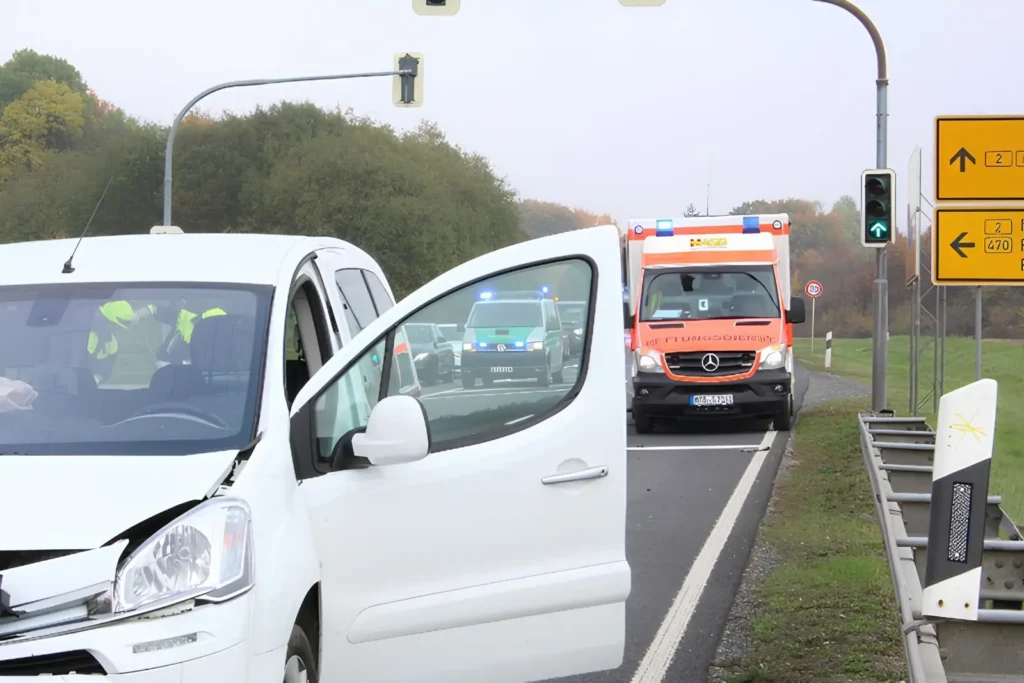
Many people may think that if a car is rear-ended and only has a minor scratch, the damage wouldn’t be much. In reality, damage to a car might not exist solely on the exterior; internal systems such as the transmission or suspension could be damaged and display symptoms later on.
Rear-Ended Collision, Small Scratch… But Not-So-Small Damage!
Case Facts
Mr. A parked his car waiting for a traffic light before being rear-ended by Mr. B’s truck. The insurance company inspected only external damage and offered compensation of 12,000 Baht. Later, Mr. A discovered that the car had a misaligned steering wheel and abnormal suspension, so he brought the vehicle into a service center. Inspection results showed that the body structure, rear beam, and suspension system suffered damage from the impact, with repair costs far exceeding the insurance company’s estimate. When an agreement could not be reached, Mr. A filed a lawsuit claiming compensation under Sections 420 and 438 of the Civil and Commercial Code (CCC), submitting service center reports, expert reports, videos, photos, and repair expense documents as evidence. The Court held that such damage was a direct result of the accident, rendering a judgment for the defendants to jointly pay for repair costs, loss of use during repair, interest, and litigation expenses based on actual damage incurred.
Supreme Court Precedents
- Supreme Court Judgment No. 1760/2561 (2018): Injured parties have the right to claim compensation for loss of use of the vehicle even if they did not rent a replacement vehicle, provided it can be proven that they were unable to use the vehicle due to the tortious act.
- Supreme Court Judgment No. 7474/2555 (2012): Compensation must be determined from actual damage incurred and is not limited strictly to the amount estimated by the insurance company.
- Supreme Court Judgment No. 6850/2550 (2007): Injured parties can claim repair costs, inspection costs, and necessary expenses if proven to be connected to the tortious event.
Conclusion
This case reflects that an insurance company’s evaluation on the first day is not always the final conclusion of the case. If the injured party possesses sufficient evidence, the Court can determine compensation based on actual damage incurred and legally protect the rights of the injured party.